 How to Sleep With Hot Flashes
Bedroom Setup for Hot Flashes: A Checklist
By the Good Sleep team · October 22, 2026
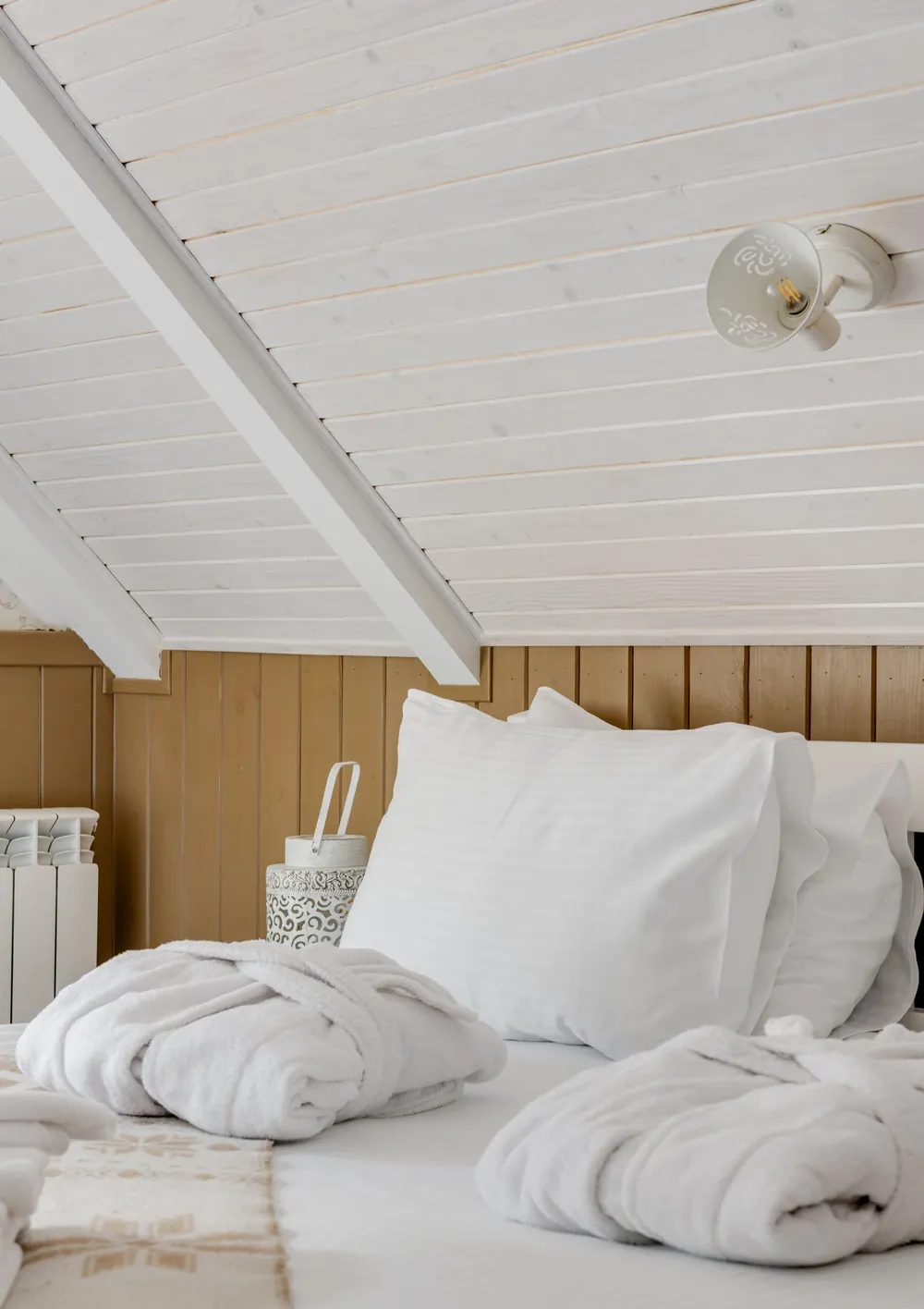
Short answer: cool room, moving air, light breathable layers, a nightstand kit, separate covers for couples, and a cool mattress surface. Most of this costs little; the mattress surface is where active cooling earns its keep.
The checklist
- Room temperature: roughly 60–67°F, the range Cleveland Clinic suggests; lower end if you can.
- Airflow: a quiet fan aimed across the bed, or a ceiling fan on low.
- Sheets: cotton percale, linen or moisture-wicking blends.
- Top layer: one thin blanket you can push off, not a heavy duvet.
- Sleepwear: light and moisture-wicking, or none.
- Pillow: one that doesn't trap heat, plus a towel layer.
- Nightstand kit: water, a dry top, a hair tie, a dim light.
- Dark and quiet: blackout curtains; earplugs if your partner's fan is loud.
- Couples: separate blankets, or a dual-zone bed so each side picks its own temperature.
- The mattress surface: memory foam holds heat. An active cooling topper keeps it cool through repeated flashes.
Why the last item matters
You can cool the room to 62°F and still overheat if the mattress beneath you is warm. Good Sleep's water-based topper holds the surface at the temperature you set, as low as 62°F, without an app or subscription. See the details on Good Sleep's menopause page, and more on room temperature in managing menopause sleep temperature.
When to see a doctor
A good bedroom setup helps, but it doesn't treat hot flashes. If they disrupt your sleep, ask your doctor about hormone therapy or non-hormonal options.