 How to Sleep With Hot Flashes
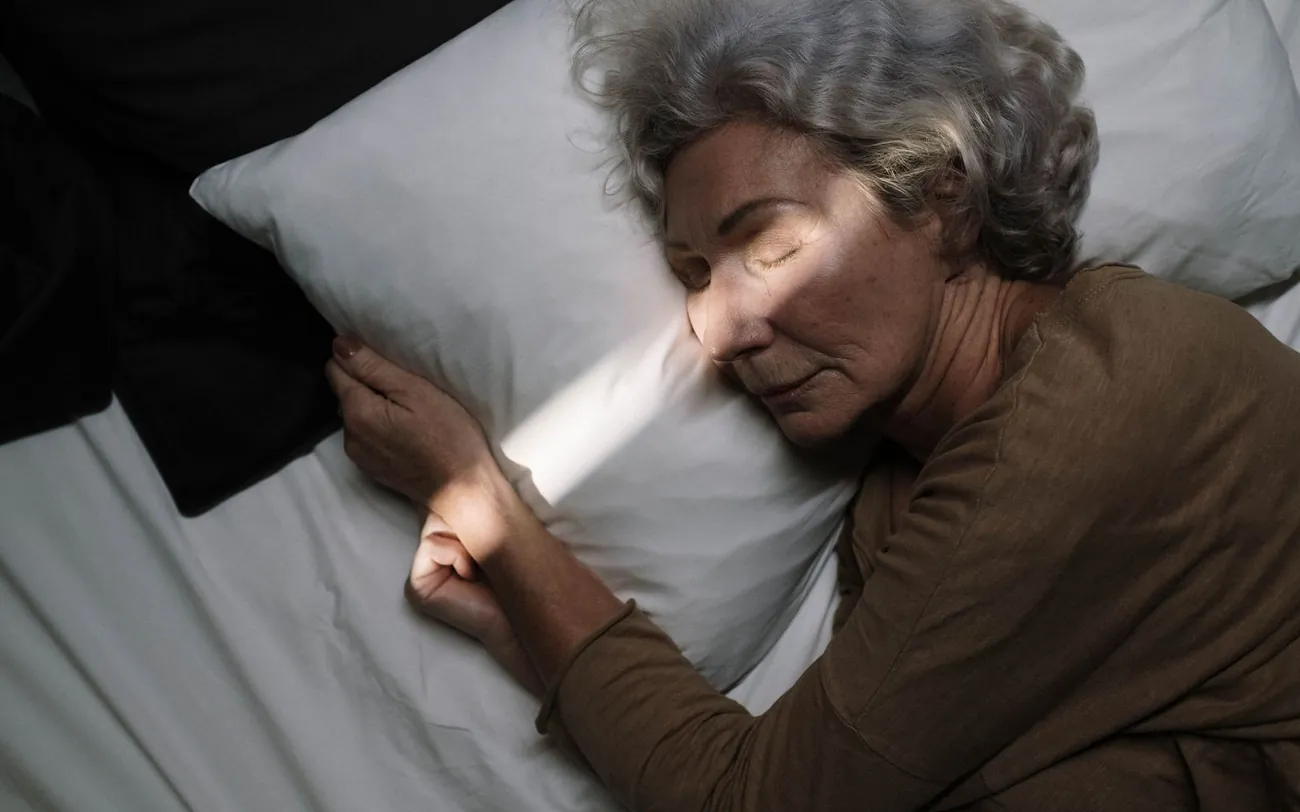
A hot flash is a sudden wave of heat, usually across the chest, neck and face, often with a flushed face, sweating and a faster heartbeat. They're caused by changing hormone levels around menopause, which make the brain's temperature control more sensitive. At night they wake you, and the sweat and chill that follow can keep you up.
The night-by-night plan
Cut the triggers early
Last caffeine by early afternoon. If you drink, keep it light and early: alcohol is one of the most common hot-flash triggers. Note any spicy or heavy dinner plans.
Eat light, then stop
Finish dinner 2–3 hours before bed. Digestion raises body heat at exactly the wrong time.
Cool shower, cool room
A lukewarm or cool shower helps start your body's natural temperature drop. Set the bedroom to the low-to-mid 60s and turn on a fan.
Set up the bed
Light, breathable layers you can push off; a dry top, water and a small towel on the nightstand. If you use a cooling topper, switch it on now so it's at temperature when you lie down.
Slow breathing
Slow, paced breathing (about six breaths a minute) as you settle. The NIA notes paced breathing may help some women with hot flashes.
Don't fight it, dump heat
Push the covers off, turn your pillow to the cool side, sip water. Don't check the clock or your phone. Breathe slowly as it passes, usually within a few minutes.
Get dry, then get warm enough
Change into the dry top, pull back a light layer before the chill sets in, and use the same slow breathing to drift off.
Log it
Time, what you ate and drank, stress, room temperature. Two weeks of notes shows your triggers and gives your doctor something concrete.
Why the bed matters as much as the room
Air conditioning cools the air, but you spend the night pressed against a mattress that holds heat. When a flash hits, that heat has nowhere to go. A sleep surface that stays cool gives the heat somewhere to go, which is the idea behind active cooling toppers.
A cool bed, all night
We run this site for Good Sleep. Per trygoodsleep.com, its water-based topper sits on your existing mattress and cools to 62°F, or heats to 110°F if you get chilly later. It holds your setting all night from a touch panel: no app, no Wi-Fi, no subscription. King includes dual-zone, so your partner can sleep at their own temperature. $1,479 one-time, free shipping, 30-night trial.
Good Sleep's dedicated page lays out its menopause sleep solution in full.
Visit Good Sleep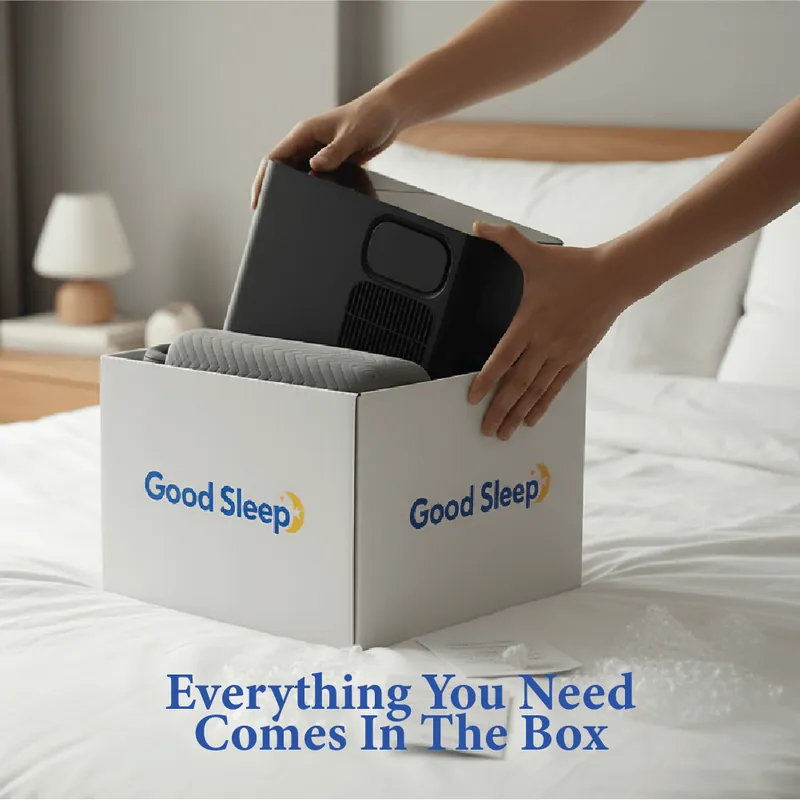 Shop now: Good Sleep cooling & heating topper →
If your hot flashes are just starting and your periods are changing, you may be in perimenopause. This guide to perimenopause night sweats covers that stage. For the bedroom-temperature side, see managing menopause sleep temperature.
When to see a doctor
See your doctor if hot flashes are disrupting your sleep or daily life; you don't need to put up with it. Mayo Clinic and the NIA describe hormone therapy as the most effective treatment, and non-hormonal medicines are available too. Also get checked if you have bleeding after menopause, if night sweats come with fever or weight loss, or if hot flashes start before 40.

Questions women ask
- How do you sleep with hot flashes?
- Keep the bedroom cool, sleep on a cool surface, use light breathable layers, avoid evening triggers like alcohol, caffeine and spicy food, and keep a dry top and water by the bed. When a flash hits, uncover, sip water and breathe slowly. Talk to your doctor about treatment; hormone therapy and non-hormonal medicines can reduce hot flashes.
- What is the best way to sleep with hot flashes at night?
- Combine three things: a cool room and sleep surface, a plan for the moment a flash hits so it doesn't become a full wake-up, and a conversation with your doctor about treatment options.
- How do you fall asleep with hot flashes?
- Start the cool-down early: a lukewarm shower 60–90 minutes before bed, a cool room, and a pre-cooled bed. Use slow paced breathing as you settle.
- How long do hot flashes last at night?
- A single hot flash usually lasts a few minutes. Cleveland Clinic notes that hot flashes as a symptom can continue for several years around menopause.
- Why do I get hot and cold flashes at night?
- After a hot flash, sweat evaporates and damp sheets keep cooling your skin, so many women swing from hot to chilled. Layers you can add and remove quickly help.
- What temperature should my bedroom be for hot flashes?
- Cleveland Clinic suggests roughly 60–67°F for sleep in general; many women with hot flashes prefer the lower end, with a cool sleep surface.
- Do cooling mattress pads help hot flashes?
- They don't stop hot flashes, but an active cooling pad can make each one less disruptive by pulling heat away from you. Good Sleep's water-based topper can be set as low as 62°F.
- Is there medicine for hot flashes?
- Yes. Mayo Clinic and the NIA describe hormone therapy as the most effective treatment, and there are non-hormonal prescription options. Your doctor can help decide what's safe for you.
Articles
 How to Fall Back Asleep After a Hot Flash
A 5-step routine to fall back asleep after a hot flash wakes you: cool down, get dry, sip water, breathe slowly, and what not to do at 3 a.m.
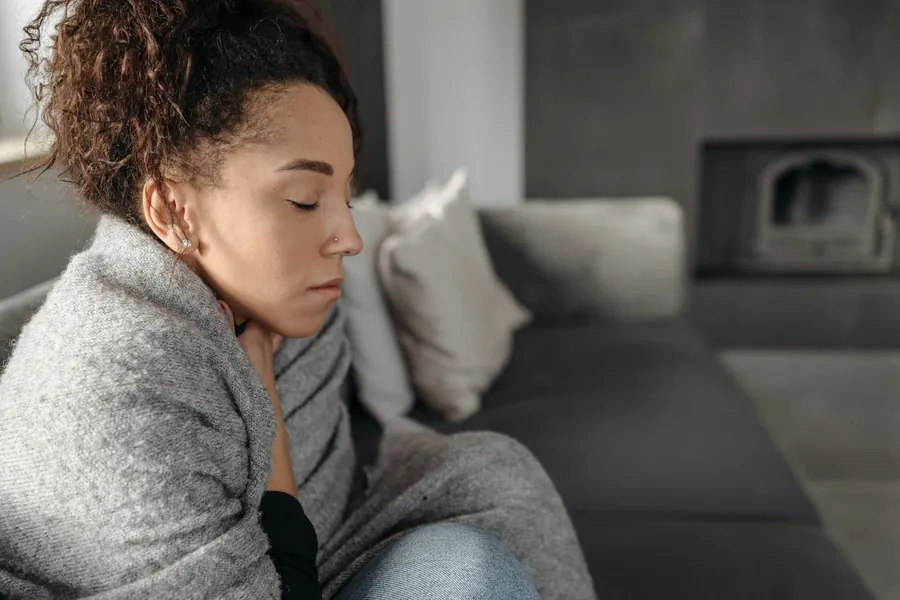 Hot and Cold Flashes at Night: What's Happening
Why you swing between hot flashes and chills at night in menopause, how to dress and layer for it, and when chills point to something else.
- Bedroom Setup for Hot Flashes: A Checklist
How to set up your bedroom for hot flashes: temperature, airflow, bedding, sleepwear, a nightstand kit, couples, and cooling the mattress surface.
Sources
- Cleveland Clinic: Hot flashes
- Cleveland Clinic: How to reduce hot flashes at night
- Mayo Clinic: Hot flashes
- National Institute on Aging (NIH): Hot flashes, what can I do?
- Cleveland Clinic: Menopause
- Cleveland Clinic: The ideal sleeping temperature for your bedroom
Written by the Good Sleep team. Not medical advice.